

Endometriosis is more common than many people realise, affecting around one in 10 women and those assigned female at birth of reproductive age. Despite this, the condition is still widely misunderstood and can take years to diagnose.
This guide aims to provide essential information and support for women living with endometriosis, helping you understand the causes, symptoms, stages, diagnosis, and treatment options available. We’ll also explore how endometriosis can affect fertility and what support may be available if you’re trying to conceive.
What is endometriosis?
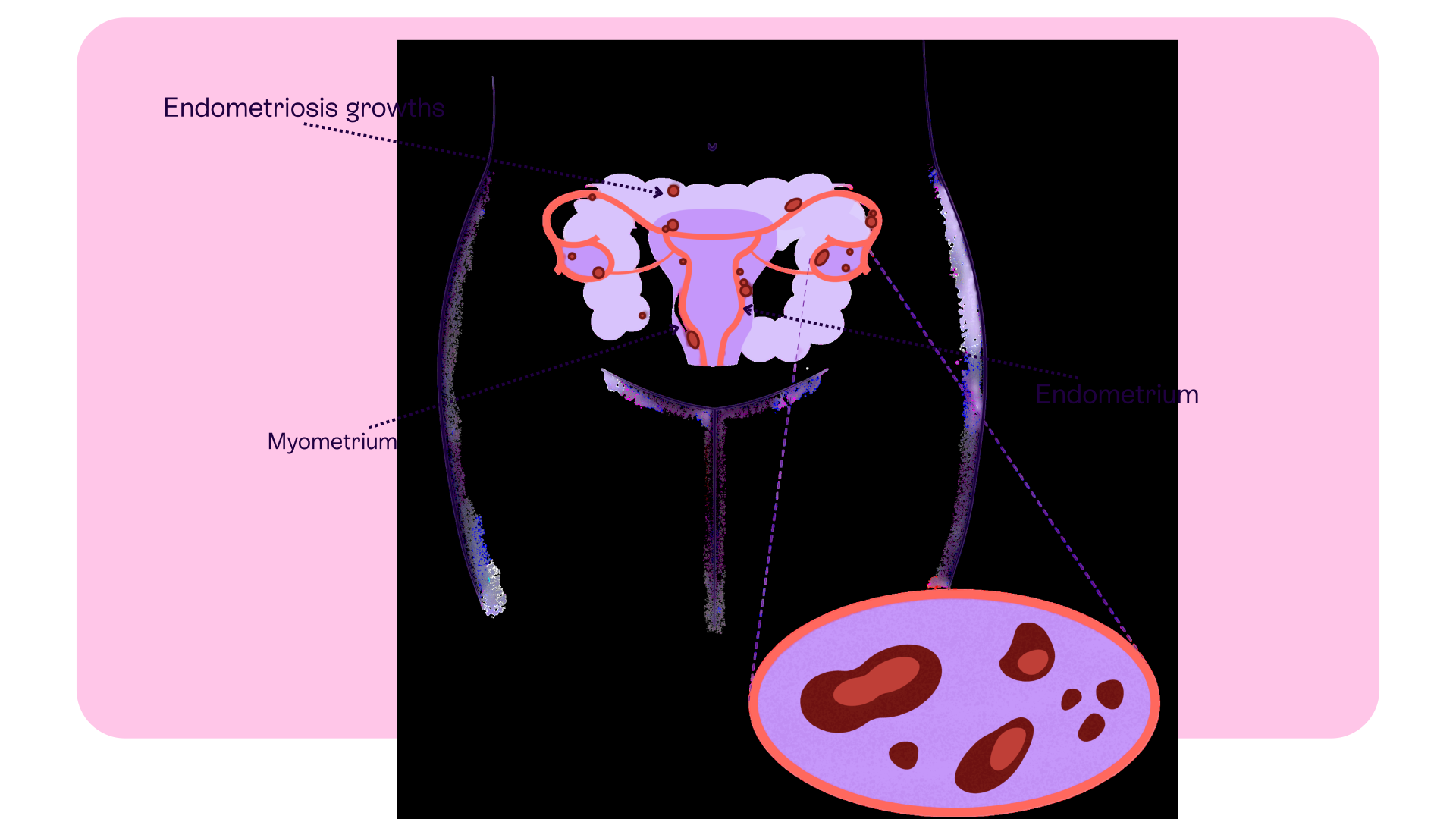
Endometriosis is a chronic and often painful condition affecting millions of women worldwide. It occurs when tissue similar to the lining of the uterus (endometrium) grows outside the uterus. This can lead to a variety of symptoms and complications, particularly related to fertility and daily life.
The misplaced tissue continues to act as it normally would—thickening, breaking down, and bleeding with each menstrual cycle. However, because it has no way to exit the body, it becomes trapped, leading to inflammation, pain, and the formation of scar tissue (adhesions).
Common symptoms and their impact on daily life
Symptoms of endometriosis can vary significantly from person to person. Common symptoms include painful periods, pain during or after intercourse, chronic pelvic pain, fatigue, and issues with bowel movements or urination, particularly during menstrual periods. Some individuals may also experience heavy menstrual bleeding or bleeding between periods.
These symptoms can have a profound impact on daily life, affecting physical and emotional well-being. Pain and fatigue can make it difficult to maintain regular activities and may lead to missed work or school days. The emotional toll of chronic pain and fertility issues can also contribute to anxiety and depression.
Getting a diagnosis
Recent research from Endometriosis UK, published during Endometriosis Action Month 2024, highlights just how long many people wait for answers. The study found that diagnosis times have increased since the pandemic, with the average time to diagnosis in the UK now 8 years and 10 months — around 10 months longer than in 2020.
The delay varies slightly across the UK. Average diagnosis times are now 8 years and 10 months in England and Scotland, 9 years and 5 months in Northern Ireland, and 9 years and 11 months in Wales.
For many people, the journey to diagnosis involves repeated appointments and ongoing symptoms. Almost half of respondents (47%) visited their GP 10 or more times before receiving a diagnosis, while 70% had visited at least five times.
Despite this, only 10% of people said their GP mentioned suspected endometriosis at their first or second appointment when discussing symptoms.
Many people also seek urgent care when symptoms become severe. The research found that 52% had attended A&E at least once, yet only 17% were referred to a gynaecology specialist at their first visit. More than a quarter (26%) reported visiting A&E three or more times before diagnosis.
Even after seeing a specialist, diagnosis can still take time. One in five people reported seeing a gynaecologist 10 or more times before their endometriosis was confirmed.
The report also highlights the emotional impact of this long journey. Seventy-eight percent of people who were later diagnosed said they had been told at some point that they were making a “fuss about nothing” or had their symptoms dismissed by a healthcare professional — an increase from 69% in the 2020 survey.
Diagnostic tests
Imaging tests such as an internal pelvic ultrasound or MRI scan may be used to gather more information and rule out other possible conditions. However, these tests cannot definitively diagnose endometriosis. The only confirmed way to diagnose endometriosis is through a laparoscopy — a minimally invasive operation where a small camera (called a laparoscope) is inserted into the pelvis through a tiny cut near the navel. This allows a surgeon to look directly at the pelvic organs and identify any signs of endometriosis. If endometriosis is found, the tissue can sometimes be removed or biopsied during the same procedure for further examination.
Getting a diagnosis can take time because endometriosis can appear in many different ways and its symptoms often overlap with other common conditions. Even if scans, blood tests, or internal examinations appear normal, it doesn’t necessarily rule out endometriosis. That’s why it’s important to share as much detail as possible about your symptoms and medical history with your doctor, so they can guide you towards the right investigations and support.
Stages of endometriosis
Endometriosis is classified into four stages — minimal, mild, moderate, and severe — based on how much endometrial-like tissue is present and how deeply it has grown within the pelvis. Doctors also consider factors such as the presence of cysts and scar tissue when determining the stage. While the stage can give an indication of how advanced the condition is, it doesn’t always reflect the severity of someone’s symptoms. It can, however, influence fertility, as more advanced stages are more likely to affect the ovaries, fallopian tubes, and surrounding pelvic organs.
Possible causes of endometriosis
The exact cause of endometriosis is still unknown, but several theories may help explain why it develops. One widely discussed theory is retrograde menstruation, where menstrual blood containing endometrial-like cells flows backwards through the fallopian tubes into the pelvic cavity instead of leaving the body. These cells may then attach to pelvic organs, where they continue to grow and respond to hormonal changes during each menstrual cycle.
Other possible explanations include genetic factors, meaning the condition may run in families, as well as immune system changes that prevent the body from clearing these misplaced cells. Hormonal imbalances that influence tissue growth may also play a role. Researchers are also exploring whether certain environmental factors could contribute to the development of endometriosis.
Treatment options and fertility solutions
Research suggests that endometriosis can affect fertility, and the likelihood of conceiving naturally may decrease as the condition becomes more advanced. Around three in four people with mild endometriosis may conceive naturally within a year of trying (around 75%). This drops to around 50% for those with moderate endometriosis, and for people with severe endometriosis the chance may be closer to 25%.
Treatment for endometriosis often depends on two things: how severe the symptoms are and whether someone is hoping to conceive. For many people, the first step focuses on managing symptoms. This may involve medications such as non-steroidal anti-inflammatory drugs (NSAIDs) or hormonal treatments that help reduce or pause menstruation, which can ease pain and inflammation.
If you’re trying to conceive, fertility treatment may be recommended depending on how endometriosis is affecting your reproductive organs. Options can include ovulation induction, intrauterine insemination (IUI), or in vitro fertilisation (IVF). In some cases, surgery to remove endometriosis tissue or cysts may also help improve fertility outcomes.
At Care Fertility, we take a personalised approach. You’ll first complete fertility tests so your doctor has a clear picture of your reproductive health. During your consultation, they’ll review your results and talk you through the options that may work best for you. From there, we’ll create a treatment plan tailored to your circumstances and support you at every step of your journey.