
-2.png?width=300&name=Heading%20(2)-2.png)
For many people, getting an endometriosis diagnosis can feel like a long time coming. Years, even. If you’ve ever been told that painful periods are just something you have to put up with, you’re not alone. But persistent pain isn’t normal, and it deserves proper attention.
Here, we’ll walk you through what endometriosis is, why diagnosis can take time, and what usually happens along the way, so you feel more prepared and a little less in the dark.
What is endometriosis?
Endometriosis is a condition where tissue similar to the lining of the womb grows outside the womb. This tissue can be found on the ovaries, fallopian tubes, bowel, bladder, or other areas of the pelvis. Like the womb lining, it responds to hormones, but because it’s in the wrong place, it can cause inflammation, pain, and scarring.
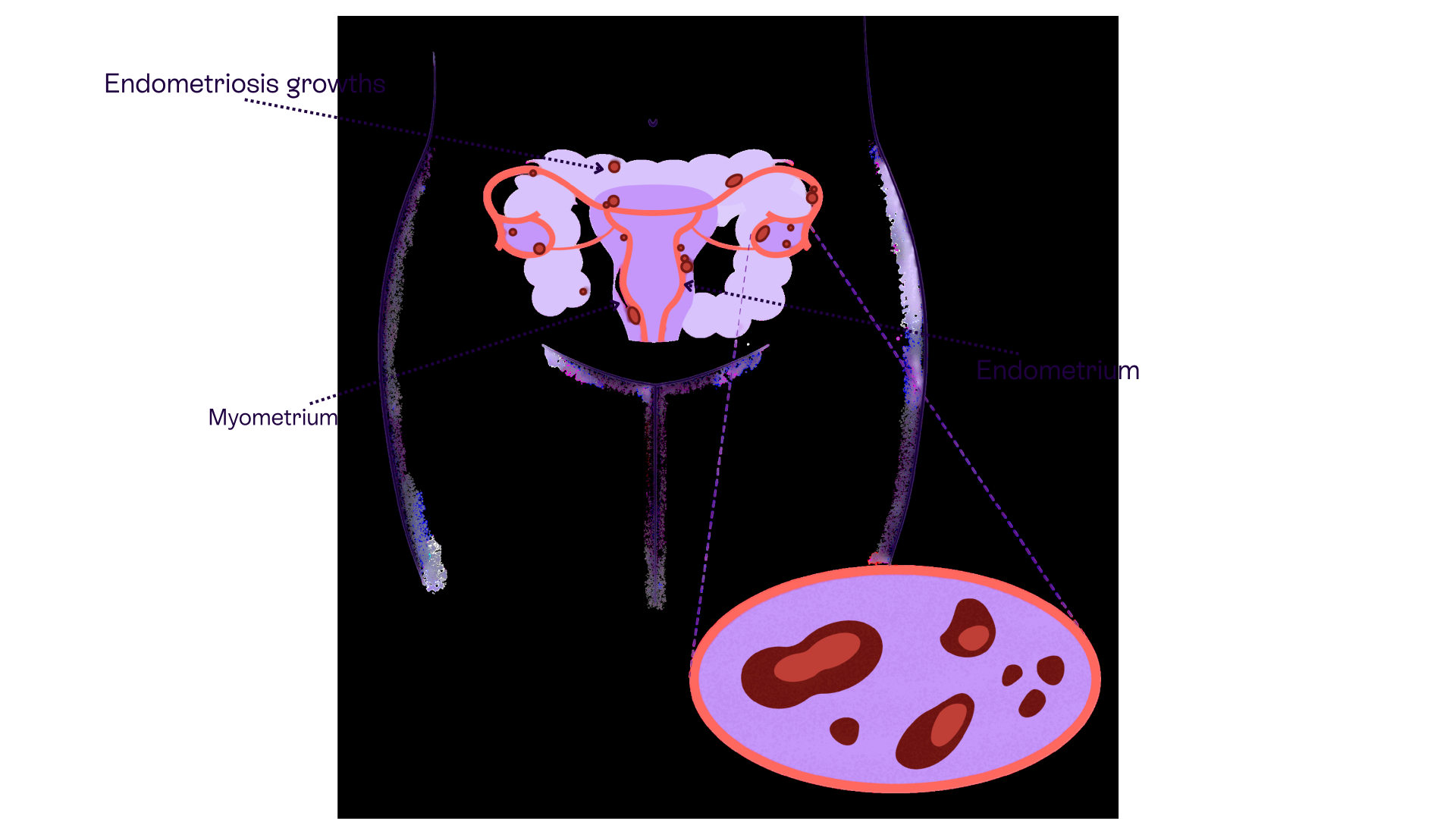
It’s far more common than many people realise. Around one in 10 women are affected, which means over 1.5 million people in the UK live with endometriosis. Yet, more than half of people in the UK do not know what endometriosis is. That lack of awareness plays a big part in why diagnosis is often delayed.
Why does diagnosis take so long?
On average, it takes seven to eight years to get an endometriosis diagnosis. That’s not because symptoms aren’t real or important, it’s because endometriosis can be tricky to spot.
Symptoms vary widely. Some people have severe pain; others have milder or different symptoms altogether. Endometriosis pain can also overlap with other conditions, such as irritable bowel syndrome or pelvic inflammatory disease, which can muddy the waters.
Add to that years of being told pain is “normal”, and it’s easy to see how diagnosis can be delayed.
Common symptoms to look out for
Endometriosis doesn’t look the same for everyone, but common symptoms include:
- Painful periods that stop you getting on with daily life
- Pelvic pain outside of your period
- Pain during or after sex
- Pain when going to the toilet
- Heavy or irregular periods
- Ongoing fatigue
- Difficulty getting pregnant
Not everyone with endometriosis has fertility problems, but the link is important to mention. Among women experiencing infertility, the prevalence of endometriosis can be as high as 30–50%.
The first steps: speaking to your GP
Diagnosis often starts with a GP appointment. This can feel daunting, especially if you’ve been brushed off before. It may help to keep a symptom diary; what the pain feels like, when it happens, and how it affects your life.
Your GP may:
- Ask detailed questions about your symptoms
- Carry out a pelvic examination
- Recommend pain relief or hormonal treatment
- Refer you for further tests or to a specialist
If symptoms persist or worsen, referral to a gynaecologist is usually the next step.
Tests you might be offered
There’s no single, simple test for endometriosis. Diagnosis often involves a combination of approaches:
Medical history
Your doctor will begin by taking a thorough medical history. They’ll ask about your symptoms — what they feel like, how severe they are, and how long you’ve been experiencing them. You’ll also talk through your menstrual cycle, any challenges with trying to conceive, and whether endometriosis runs in your family.
This conversation helps build a full picture of your reproductive health, so we can decide together what the next steps should be.
Physical examination
A physical examination can help identify signs that may be linked to endometriosis. Your doctor may gently examine your abdomen and pelvic area to check for tenderness, swelling, or any unusual changes.
In some cases, a pelvic examination may be recommended. This involves your doctor carefully examining inside the vagina using a gloved finger to assess for discomfort or any changes around the womb and ovaries.
Ultrasound scans
These can sometimes pick up endometriosis, particularly ovarian cysts (endometriomas), but a normal scan doesn’t rule it out.
MRI scans
In some cases, an MRI can help make the diagnosis and map more complex disease.
Laparoscopy
Laparoscopy is a type of keyhole surgery that allows a specialist to look inside the pelvis using a small camera. It is the only way to definitively diagnose endometriosis and can also allow treatment, such as removing or destroying endometriosis deposits, at the same time.
However, we do not usually recommend laparoscopy solely to confirm a diagnosis. Like any operation, it carries risks, including bleeding, infection, and damage to surrounding organs. For many people, endometriosis can be suspected based on symptoms, scans, and medical history, and managed without immediate surgery.
The decision to have a laparoscopy is personal and is usually based on your symptoms, how much they’re affecting your daily life, and your future plans — including whether you’re trying to conceive.
What a diagnosis can mean emotionally
For many, a diagnosis brings mixed feelings. Relief, because there is finally a name for what has been happening. Frustration or anger, because it may have taken years to get answers. And sometimes worry about what comes next, especially if fertility is part of the picture.
All of those feelings are valid.
Living with endometriosis can affect more than your body. Research shows that anxiety and depression are more common in people with endometriosis, particularly when pain is ongoing or symptoms have been dismissed in the past. That does not mean it will happen to you, but it does mean you are not alone if it does.
Getting a diagnosis is an important step. It gives you clarity. But it is not the end of the road. You may still need ongoing support, pain management, or fertility guidance, and sometimes emotional support too. Reaching out early, whether that is to your GP, a counsellor, or a specialist team, can make a real difference.
You deserve support for the whole of you, not just your symptoms.
Endometriosis and fertility
Endometriosis can affect fertility in different ways, from inflammation around the ovaries and tubes to scarring that changes pelvic anatomy. But having endometriosis does not mean you won’t or can’t conceive naturally.
If you’re concerned about your fertility, early assessment can be helpful. Understanding what’s going on gives you more options and more time to make decisions that feel right for you.
You’re not imagining it, and you’re not on your own
Endometriosis is common, often misunderstood, and too frequently diagnosed late. If something doesn’t feel right, it’s worth pushing for answers. Pain that disrupts your life isn’t something you just have to live with.
Support, information, and treatment options are available, and with the right care, many people with endometriosis do go on to build the families they hope for, when the time is right.
If you’re struggling with symptoms or worried about your fertility, we’re here to help you take the next step, at your pace.